Gardening in Europe offers unique advantages and challenges. From the mild Mediterranean climate in Southern Europe to the cooler Nordic regions in the north, growing vegetables requires choosing plants that match local weather conditions and soil types. Fortunately, Europe’s diverse climate zones make it possible to cultivate a wide range of nutritious and high-yield vegetables throughout the year.
For beginners and experienced gardeners alike, selecting the right vegetables can determine whether a garden thrives or struggles. Some plants grow well in short summers, while others prefer longer warm seasons. Soil quality, sunlight exposure, rainfall patterns, and frost dates all influence planting decisions.
This guide explores the best vegetable plants to grow in European gardens, focusing on easy-to-maintain, productive crops that perform well across various regions. It includes cool-season favorites, warm-weather staples, and versatile vegetables suitable for small backyard plots or larger garden spaces. With the right choices and proper planning, a European garden can produce fresh, healthy vegetables season after season.
Lettuce and Leafy Greens: Reliable and Fast-Growing
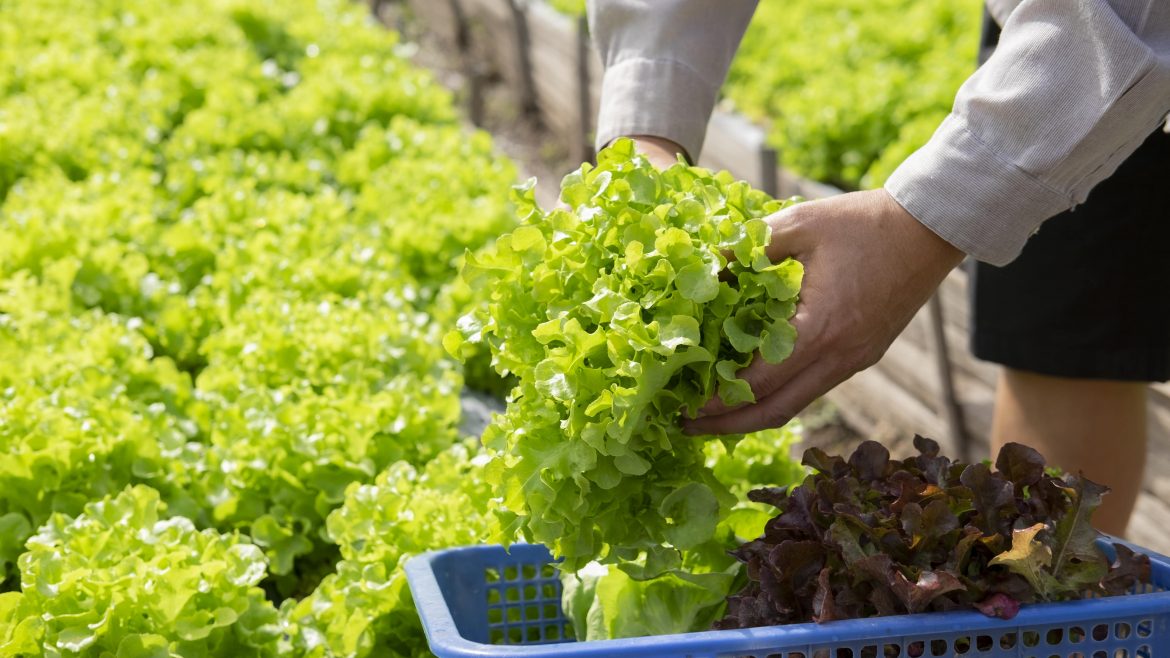
Leafy greens are among the easiest vegetables to grow in Europe. Lettuce, spinach, arugula, and Swiss chard thrive in cooler climates, making them ideal for Northern and Central Europe. They grow quickly and can be harvested multiple times during the season.
Lettuce varieties adapt well to spring and autumn temperatures. In warmer Southern regions, partial shade helps prevent bolting during hot months. Spinach is particularly suited to cooler weather and grows well even in shorter growing seasons.
Leafy greens do not require deep soil, making them perfect for raised beds and balcony gardens. Regular watering and moderate sunlight are usually enough to keep them healthy.
For gardeners seeking home and garden vegetable growing tips for European climates, leafy greens are a dependable starting point because they require minimal maintenance and produce steady yields.
Tomatoes: A European Garden Favorite
Tomatoes are one of the most popular vegetables grown in Europe. From Italy and Spain to Germany and France, tomatoes thrive during warm summers with sufficient sunlight.
In Southern Europe, tomatoes grow easily outdoors, while in Northern regions they may benefit from greenhouses or sheltered garden spots. Cherry tomatoes are particularly reliable and often produce high yields even in smaller spaces.
Tomatoes require nutrient-rich soil and consistent watering. Support structures such as stakes or cages help maintain healthy growth.
There are many varieties available, from sweet cherry types to large heirloom tomatoes used for cooking. Choosing disease-resistant varieties increases success rates.
Tomatoes are versatile, productive, and highly rewarding for home gardeners across Europe.
Carrots and Root Vegetables: Ideal for Cooler Regions
Root vegetables like carrots, beets, and radishes perform exceptionally well in many European climates. They tolerate cooler temperatures and grow well in spring and autumn.
Carrots prefer loose, well-drained soil to allow straight root growth. They are suitable for both small gardens and larger plots. Radishes grow quickly and can be harvested within weeks, making them perfect for beginner gardeners.
Beets offer both edible roots and nutritious leaves. They adapt well to moderate climates and do not require excessive maintenance.
Root vegetables are excellent for crop rotation, helping maintain soil balance in garden beds.
For those exploring practical gardening inspiration for sustainable home food production, root vegetables provide consistent harvests with relatively low effort.
Zucchini and Courgettes: High Yield in Warm Summers
Zucchini, also known as courgette in many European countries, is a highly productive vegetable that grows well during warm summer months. It thrives in Mediterranean climates but can also perform well in Central Europe during peak summer.
These plants require space because they spread wide. However, they compensate by producing abundant fruit over several weeks. Regular harvesting encourages continuous growth.
Zucchini prefers full sunlight and well-drained soil enriched with compost. Adequate watering supports healthy fruit development.
In cooler regions, planting after the last frost ensures better results. With proper care, even a single plant can provide a steady supply of vegetables.
Zucchini is especially popular in European kitchens, making it both practical and rewarding to grow.
Peas and Beans: Excellent for Moderate Climates
Peas and beans are excellent choices for European gardens, particularly in temperate regions. Peas thrive in cooler spring weather, while beans prefer warmer summer temperatures.
Climbing varieties maximize vertical space, making them suitable for smaller gardens. They also improve soil health by fixing nitrogen, benefiting future crops.
Peas grow well in Northern Europe, where cooler summers are common. Beans perform better once temperatures rise consistently.
Both vegetables are easy to maintain and suitable for beginner gardeners. They require moderate sunlight and regular watering but are generally resilient.
Including peas and beans in garden planning supports both productivity and soil quality.
Potatoes: A Traditional European Staple
Potatoes have long been a staple crop in Europe. They adapt well to different climates, particularly in cooler regions such as Ireland, the United Kingdom, Germany, and Scandinavia.
Potatoes grow underground and require loose soil with good drainage. They are planted in early spring and harvested once foliage begins to die back.
One of the advantages of potatoes is their adaptability. They grow in larger fields as well as in containers or grow bags, making them suitable for small gardens.
Proper spacing and hilling (covering stems with soil as they grow) help increase yield. Choosing disease-resistant varieties reduces risk.
Potatoes remain one of the most reliable and productive vegetable choices for European gardeners.
Conclusion
Growing vegetables in a European garden offers rewarding opportunities across different climates and regions. Leafy greens such as lettuce and spinach provide fast and reliable harvests, while tomatoes remain a favorite in warmer areas with long summer days. Root vegetables like carrots and beets perform well in cooler weather, offering steady yields with minimal maintenance. Zucchini thrives during warm months and produces abundantly, while peas and beans contribute to both garden productivity and soil health. Potatoes continue to be a dependable staple crop, adapting well to diverse European conditions. The key to successful vegetable gardening in Europe lies in understanding local climate patterns, soil quality, and seasonal timing. By selecting vegetables suited to specific regions and maintaining consistent care, gardeners can enjoy fresh, homegrown produce throughout the growing season. Whether cultivating a small backyard plot or a larger garden space, choosing climate-appropriate vegetables ensures sustainable harvests and a more productive gardening experience year after year.