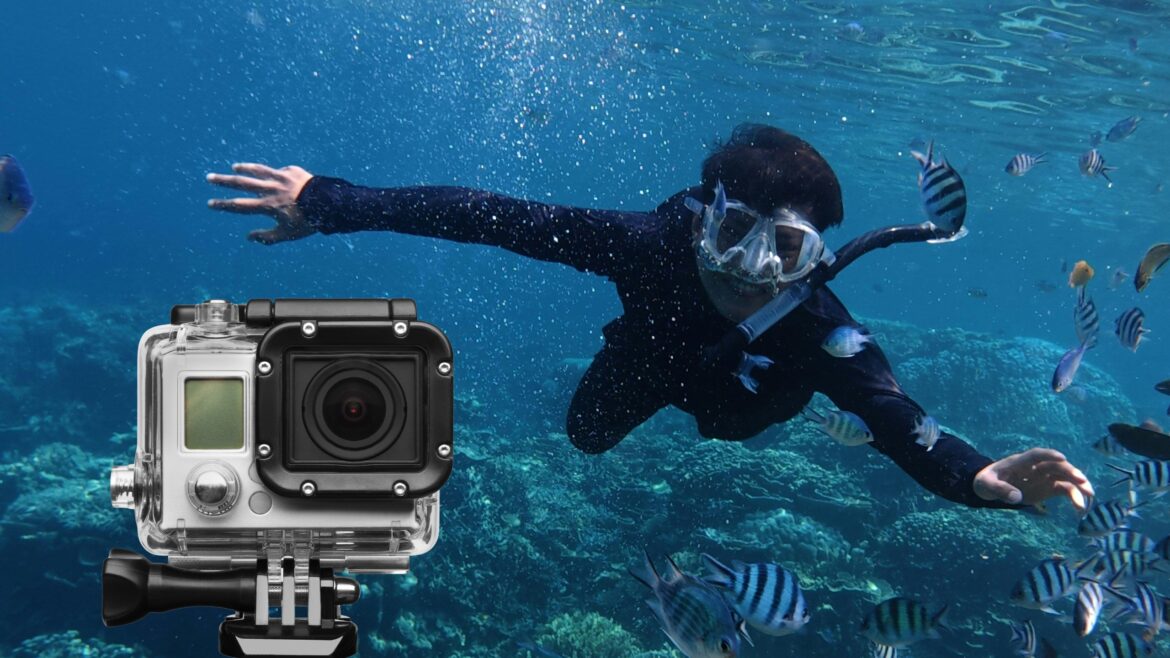
Exploring the ocean is one of the most unforgettable experiences, whether it is a casual snorkeling trip, a deep scuba dive, or a high-energy sea activity like freediving or jet skiing. But underwater memories can fade quickly unless they are captured clearly. That is why action cameras have become essential gear for ocean lovers. Unlike regular cameras or smartphones, action cameras are designed to handle water pressure, movement, and unpredictable lighting conditions.
However, choosing the right action camera for deep ocean exploration is not as simple as picking the most popular brand. Different models have different waterproof depth ratings, stabilization features, lens quality, and low-light performance. Some cameras are great for snorkeling in shallow water, while others are built for deeper diving with professional housing support.
This guide explores the best action cameras for snorkeling, scuba diving, and other sea activities. It covers what features matter most underwater, how to choose based on depth and budget, and which camera options are currently considered reliable for ocean adventures. The goal is to help readers choose the right camera for safer, sharper, and more enjoyable underwater filming.
What Makes an Action Camera Good for Deep Ocean Use?
A good underwater action camera must handle more than just water exposure. It must also survive water pressure, temperature changes, saltwater corrosion, and constant movement.
The first key factor is waterproof depth rating. Many action cameras are waterproof without a case only up to around 10 meters. For scuba diving, deeper ratings require a dedicated underwater housing.
Stabilization is another critical feature. Underwater movement is unpredictable, and waves or currents can make footage shaky. Strong digital stabilization helps create smooth videos even while swimming.
Image quality matters too, especially in low light. The deeper the dive, the less natural light is available. Cameras with strong sensors and good color correction perform better underwater.
Battery life is also important. Cold water can drain batteries faster. Having extra batteries or a reliable charging plan is useful for long sea trips.
Within the broader topic of technology and innovation gear guides for outdoor adventure filming, underwater action cameras are among the most specialized because the ocean environment is harsh and demanding.
GoPro HERO Series: The Most Trusted for Underwater Adventures
GoPro remains one of the most trusted action camera brands for ocean activities. The GoPro HERO series is widely used by snorkelers, scuba divers, and travel vloggers.
GoPro cameras are typically waterproof up to a shallow depth without a housing, making them suitable for snorkeling. For deeper diving, GoPro offers dedicated protective housings that increase depth limits significantly.
One of the strongest advantages of GoPro is stabilization. Their HyperSmooth feature is well known for producing smooth footage even in rough water.
GoPro also has strong accessories. Divers can attach GoPro cameras to masks, chest mounts, handheld grips, or underwater trays with lights.
Another reason GoPro stays popular is its wide-angle lens. This is perfect for capturing large underwater scenes, coral reefs, or schools of fish.
While GoPro models can be expensive, they remain a top choice for people who want consistent performance and reliable underwater quality.
DJI Osmo Action: A Strong Alternative With Great Stabilization
DJI is known for drones, but the Osmo Action series has become a serious competitor in the action camera market. For ocean activities, DJI cameras offer strong stabilization, sharp video quality, and competitive pricing.
One advantage of DJI action cameras is the front-facing screen, which is useful for vlog-style filming. This can be helpful for travel content creators who want to record themselves while snorkeling or kayaking.
DJI’s stabilization system performs well in motion-heavy environments, making it suitable for swimming, surfing, and boat activities.
The Osmo Action series also provides strong color output, which can be valuable underwater where natural colors fade quickly. With the right settings, footage can look vibrant even without heavy editing.
For many users, DJI offers a balance between performance and cost. It is often chosen by people who want GoPro-level quality but prefer DJI’s interface and design.
Insta360 Action Cameras: Best for 360° Ocean Footage
For ocean explorers who want unique filming angles, Insta360 action cameras are popular choices. These cameras capture 360° video, allowing users to reframe footage later.
This is especially useful for snorkeling and diving because underwater scenes can change quickly. With a 360° camera, users can capture everything around them without worrying about missing the best angle.
Insta360 cameras are also popular for water sports like paddleboarding, jet skiing, and surfing. They can create dramatic cinematic footage.
However, 360° cameras may not always match the sharpness of standard action cameras in low-light underwater environments. They are best for shallow water or bright daylight conditions.
For creative ocean filming, Insta360 provides a different experience compared to traditional action cameras. It is ideal for travelers who want more dynamic content.
Budget-Friendly Underwater Action Cameras for Beginners
Not everyone wants to invest in premium action cameras. Fortunately, there are budget-friendly options that still perform well for snorkeling and shallow diving.
Many beginner action cameras offer basic 4K recording, waterproof housings, and simple stabilization. These are good for casual ocean trips, family vacations, or first-time underwater filming.
However, budget cameras often have weaker low-light performance and less accurate color. Underwater footage may look darker or less vibrant without editing.
Battery quality and durability may also be lower. For occasional use, these cameras can be enough, but frequent divers may want higher-quality models.
The best approach for beginners is to choose a budget camera with a reliable waterproof case and decent stabilization. It is also helpful to check user reviews for real underwater footage examples.
For readers exploring practical tech recommendations for modern travel and outdoor adventures, budget cameras can still provide great memories without requiring premium spending.
Must-Have Accessories for Snorkeling and Diving Footage
Even the best action camera performs better with the right accessories. Underwater filming often requires additional gear to improve safety, quality, and comfort.
One of the most important accessories is an underwater housing, especially for scuba diving. This protects the camera from deeper pressure and prevents damage.
A floating hand grip is also useful for snorkeling. It prevents the camera from sinking if dropped.
Underwater lights can dramatically improve footage, especially at deeper levels where natural colors fade. Lights restore reds and oranges, making coral reefs and fish appear more natural.
Anti-fog inserts help prevent lens fogging inside housings. Fog is a common problem when moving between warm air and cool water.
Mounts such as mask mounts, wrist straps, and chest mounts allow hands-free filming, especially during active water sports.
Accessories are often the difference between average footage and truly stunning underwater videos.
Conclusion
Choosing the best action camera for snorkeling, scuba diving, and deep ocean exploration depends on depth requirements, stabilization, image quality, and overall durability. GoPro remains one of the most trusted options due to its strong underwater performance, excellent stabilization, and wide accessory support. DJI Osmo Action provides a competitive alternative with sharp footage and smooth motion handling, while Insta360 cameras offer creative 360° filming for travelers who want unique angles. Beginners can also find budget-friendly underwater action cameras that work well for casual snorkeling, though they may have weaker low-light performance. Beyond the camera itself, accessories such as waterproof housings, floating grips, anti-fog inserts, and underwater lights can greatly improve safety and video quality. Underwater environments are challenging, with limited light and constant movement, so choosing a camera designed for ocean conditions is essential. With the right action camera setup, ocean explorers can capture clear, vibrant memories and relive their underwater adventures long after the trip ends.