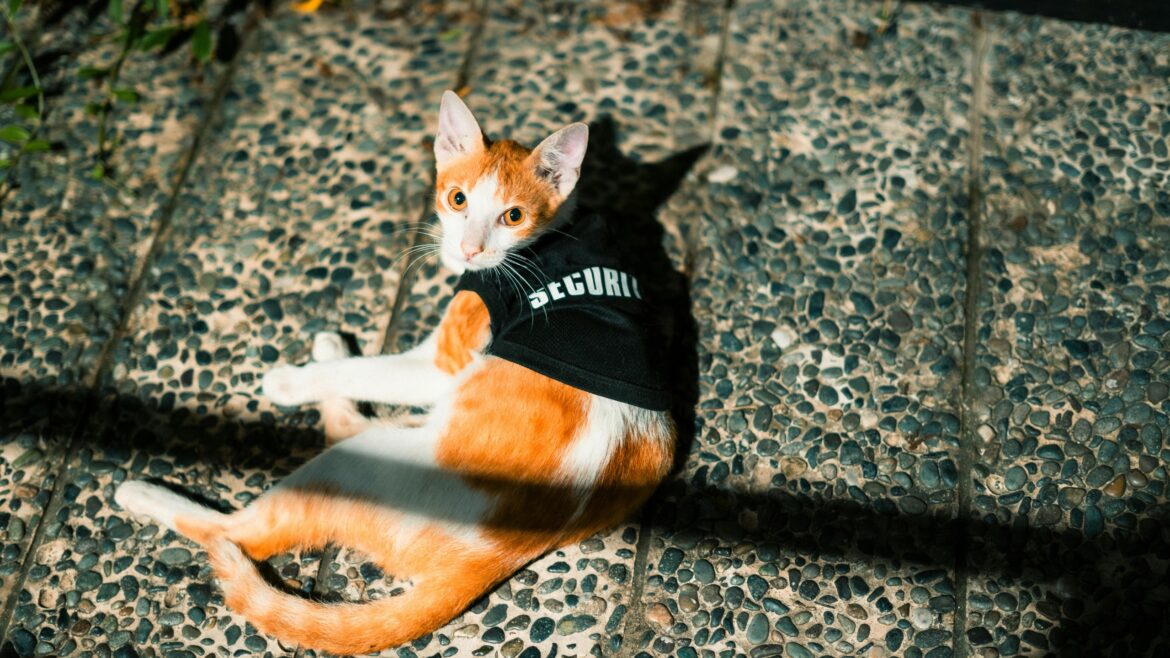
Security personnel often work long hours in environments that require constant alertness. Whether stationed in office buildings, malls, residential areas, or outdoor posts, their job involves monitoring risks, handling unexpected situations, and staying calm under pressure. Because of this, many people notice a surprisingly common habit: security guards often stop to pet dogs and cats whenever they get the chance. To some observers, it looks like a simple moment of friendliness. But in many cases, there is more behind it.
Animals have a unique way of lowering stress and creating emotional balance, even during demanding work shifts. For security personnel, petting a friendly dog or cat can offer a quick mental break, reduce tension, and improve mood. It can also help build trust with local communities, especially in residential neighborhoods where pets are part of everyday life.
This article explores why security personnel often enjoy interacting with dogs and cats. It explains the emotional, psychological, and social reasons behind this behavior, how animals influence human stress levels, and why these small interactions matter more than people realize.
Security Work Is Stressful, and Animals Offer Instant Calm
Security personnel are trained to stay alert. Even during quiet shifts, their job requires awareness of potential threats. This constant vigilance can create mental fatigue, even if nothing serious happens.
Dogs and cats provide an instant emotional contrast to that stress. When a friendly animal approaches, the moment feels safe and simple. Petting an animal often creates a calming routine that helps the brain reset.
For many security guards, the work environment can feel repetitive and isolating. Petting a dog or cat offers a small but meaningful moment of warmth. It reminds them of normal life outside their shift.
Many people do not realize how powerful these small interactions are. They can reduce tension, improve mood, and help a person feel emotionally grounded.
Within the broader topic of pet care and human emotional connection in daily life, security personnel are a strong example of how animals naturally support mental well-being even without formal therapy.
Animals Help Reduce Anxiety and Emotional Pressure
There is a reason therapy animals exist. Petting an animal can help reduce anxiety, especially during long or high-pressure workdays.
Security guards often face emotional stress that is invisible. They may deal with angry customers, tense situations, or people breaking rules. Even when a guard remains calm on the outside, the emotional weight builds internally.
A dog wagging its tail or a cat rubbing against a leg can feel like a moment of emotional neutrality. Animals do not judge. They do not demand explanations. They simply respond with affection.
This kind of interaction can help security personnel relax their nervous system. Even a short moment of petting can feel like a mental reset.
For people working in stressful public roles, animals become a natural form of emotional relief.
Dogs and Cats Build Trust in Residential and Public Areas
In many neighborhoods, pets are part of community life. When security personnel show kindness to dogs and cats, residents often notice.
Petting a dog or greeting a familiar cat can help a guard appear approachable. This matters because security jobs often involve balancing authority with friendliness.
Residents may feel more comfortable speaking to a guard who seems kind and calm. It creates a sense of trust and human connection.
In some cases, security guards also become familiar faces to local pets. Dogs recognize them, and cats may approach them regularly. Over time, the animal interaction becomes part of the daily routine.
This is not only emotional—it is social. A guard who connects with the community indirectly improves the environment they are protecting.
For readers exploring practical pet-friendly lifestyle insights for modern communities, this shows how animals can strengthen trust and connection between people in shared spaces.
Many Security Personnel Are Pet Lovers Outside of Work
A simple truth is that many security guards are already animal lovers. Some have pets at home, while others grew up around animals.
For these individuals, petting a dog or cat feels natural. It is a habit that comes from affection and familiarity.
Some security guards spend long hours away from their own pets. Seeing friendly animals during a shift can remind them of home. It can also ease loneliness during late-night or solo work posts.
In workplaces where guards are stationed alone, animals can provide social comfort. Even if the interaction lasts only a few seconds, it can brighten the entire shift.
For many guards, animals are not distractions—they are small reminders of humanity.
Pets Can Improve Focus and Emotional Balance During Long Shifts
It might seem strange, but interacting with animals can actually improve focus. When a person is under constant pressure, mental fatigue builds. This can reduce alertness and make work harder.
A short break—such as petting a friendly cat or dog—can help refresh attention. It gives the brain a pause without requiring a full rest.
This is similar to how people feel better after stepping outside for fresh air. Animals provide a mental shift. The brain stops scanning for danger and experiences a moment of calm.
After the interaction, many people return to work feeling lighter and more focused.
This is one reason why pets are often welcomed in workplaces and therapy environments. They naturally support emotional regulation.
Animals Offer Unspoken Loyalty, and Security Guards Understand That
Security work is built around protection, loyalty, and responsibility. Many security personnel connect emotionally with animals because animals represent similar values.
Dogs, especially, are known for loyalty and protection. Many security guards respect that instinct because it mirrors their own role. A guard may feel a natural bond with a dog because both are “watchers” in different ways.
Cats also represent independence, alertness, and intuition. Many guards appreciate cats because they are observant and calm, yet always aware of their surroundings.
Security guards often understand quiet strength. Animals represent that kind of energy. They do not speak, but they communicate through presence.
For readers exploring pet care and animal behavior insights for everyday relationships, this bond explains why many working professionals naturally connect with animals.
Conclusion
Many security personnel love petting dogs and cats because animals offer something their job often lacks: emotional calm, comfort, and simple connection. Security work requires constant alertness, long shifts, and the ability to stay composed under pressure, which can quietly build stress over time. Friendly animals provide a quick mental break, helping guards relax, reset, and return to their duties with better emotional balance. Pets also help security guards build trust in neighborhoods and public spaces, making them appear approachable while strengthening community relationships. For many guards, this behavior is also personal—some are pet lovers at home, while others miss their own animals during long shifts. Beyond stress relief, there is also a deeper connection: security guards often respect loyalty, awareness, and protective instincts, qualities that dogs and cats naturally represent. These small moments of interaction may seem casual, but they can make long workdays feel lighter and more human. In the end, petting a dog or cat is not just affection—it is a quiet form of emotional support.